
The River Highways Helping Eastern Bobcats Thrive in Suburbia
The Crucial Riparian Corridors Helping Bobcats and Other Large Wildlife

Bobcats are staging a remarkable comeback across the eastern United States, but their long-term survival depends on networks of greenways, stream corridors, and wild habitat patches that allow them to move through increasingly developed landscapes. These natural pathways serve as wildlife highways, enabling bobcats to find mates, establish territories, and maintain the genetic diversity essential to healthy populations. Without them, even thriving bobcat communities risk becoming isolated islands where inbreeding threatens their future.
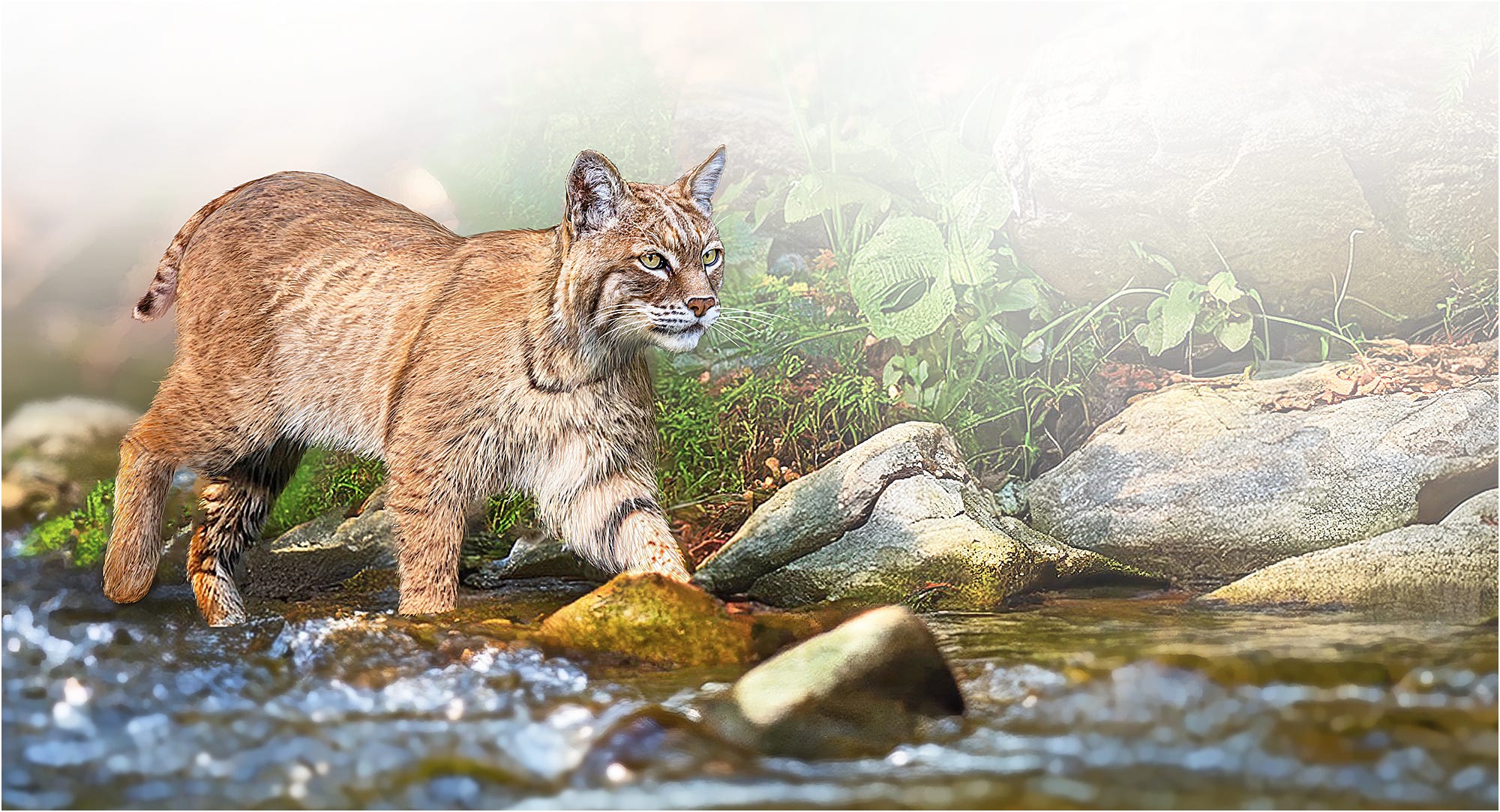
Bobcat sightings have surged dramatically since 2010
The numbers tell a striking story. In Connecticut, where I live, wildlife biologists recorded just a few hundred bobcat sightings in 2010, but by 2025 that number had climbed to over 4,300 confirmed observations. “If you go back 15 years, it was pretty rare to have a bobcat sighting in eastern Connecticut, and now they are in every town in the state,” notes Jason Hawley, a wildlife biologist with Connecticut’s Department of Energy and Environmental Protection. Ohio removed bobcats from its endangered species list in 2014 after documented sightings jumped from essentially zero before 2000 to over 560 confirmed observations annually by 2021. Similar recovery patterns have emerged across New Jersey, Virginia, Massachusetts, and other eastern states. In my own yard in the suburbs of Naoth Haven, Connecticut, I’ve now seen Bobcats half a dozen times in the neighborhood. Friends who are also active birders and naturalists report seeing Bobcats recently, which is remarkable. In the roughly 50 years I’ve been in the outdoors of Connecticut, I had not seen a wild Bobcat until the last decade.
This resurgence stems from decades of forest regrowth, the elimination of bounty programs that once targeted bobcats, and the cats’ surprising adaptability to suburban environments. Research shows that bobcats thrive in the fragmented landscapes characteristic of suburban areas, where hedgerows and brushy woodlands provide excellent ambush cover for hunting rabbits, squirrels, and other prey. I doubt the Bobcat population has increased dramatically—top predators are always relatively rare in any landscape. I think the Bobcat is simply reclaiming its former range and moving about more freely, after centuries of persecution. It was only in 1971 that Connecticut dropped its bounty on Bobcats and, in 1972, began legally protecting the species.
Stream corridors serve as critical travel routes
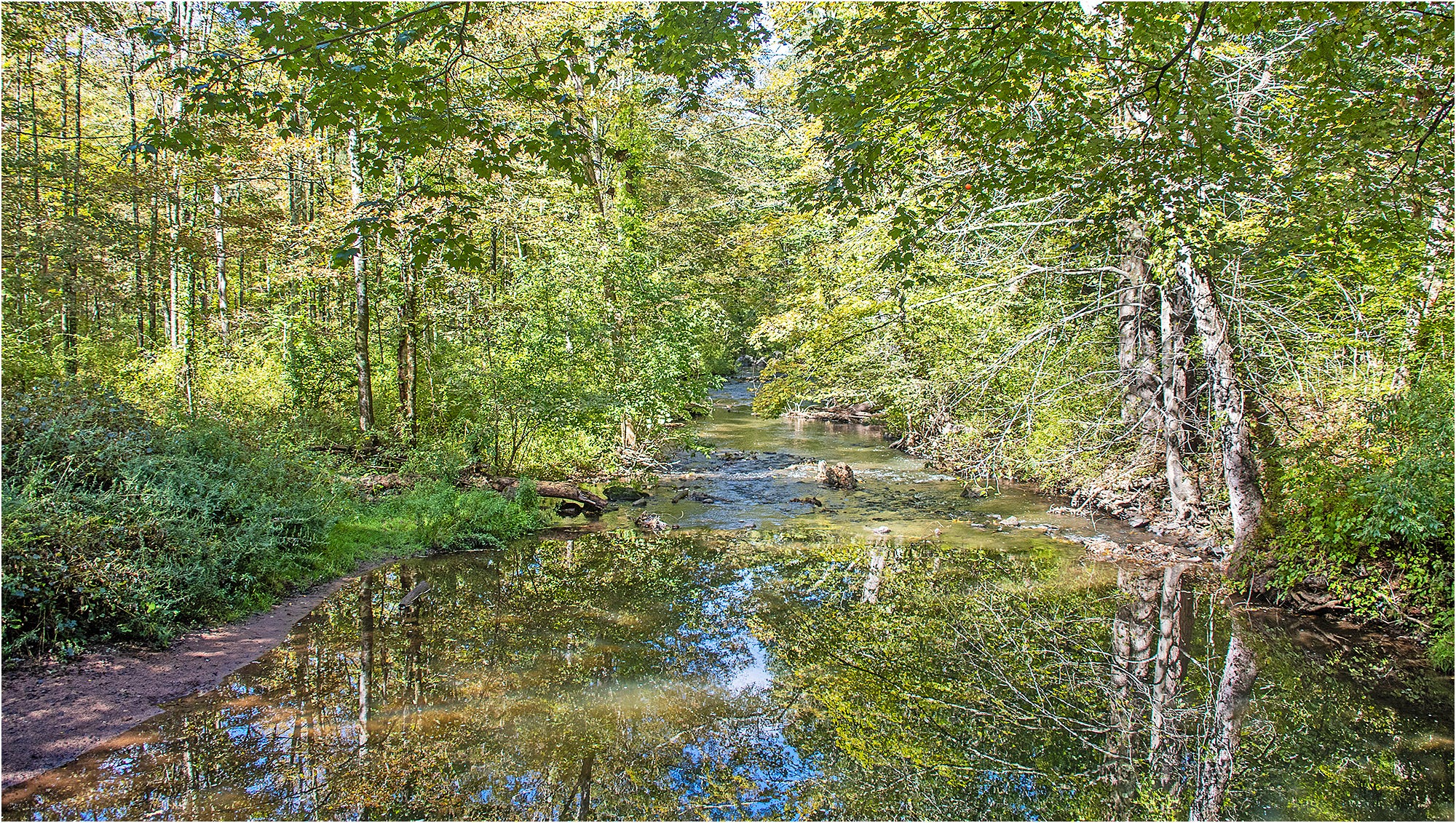
For bobcats navigating increasingly developed terrain, riparian corridors along streams and rivers function much as interstate highways do for humans. A 2021 study published in PeerJ by researchers at Ohio University found that bobcats strongly selected for areas near waterways, with forested stream corridors acting as primary conduits for dispersal through otherwise unsuitable agricultural and suburban landscapes. GPS tracking of twenty bobcats revealed that these riparian pathways enabled the animals to move between distant forest patches that would otherwise remain inaccessible.
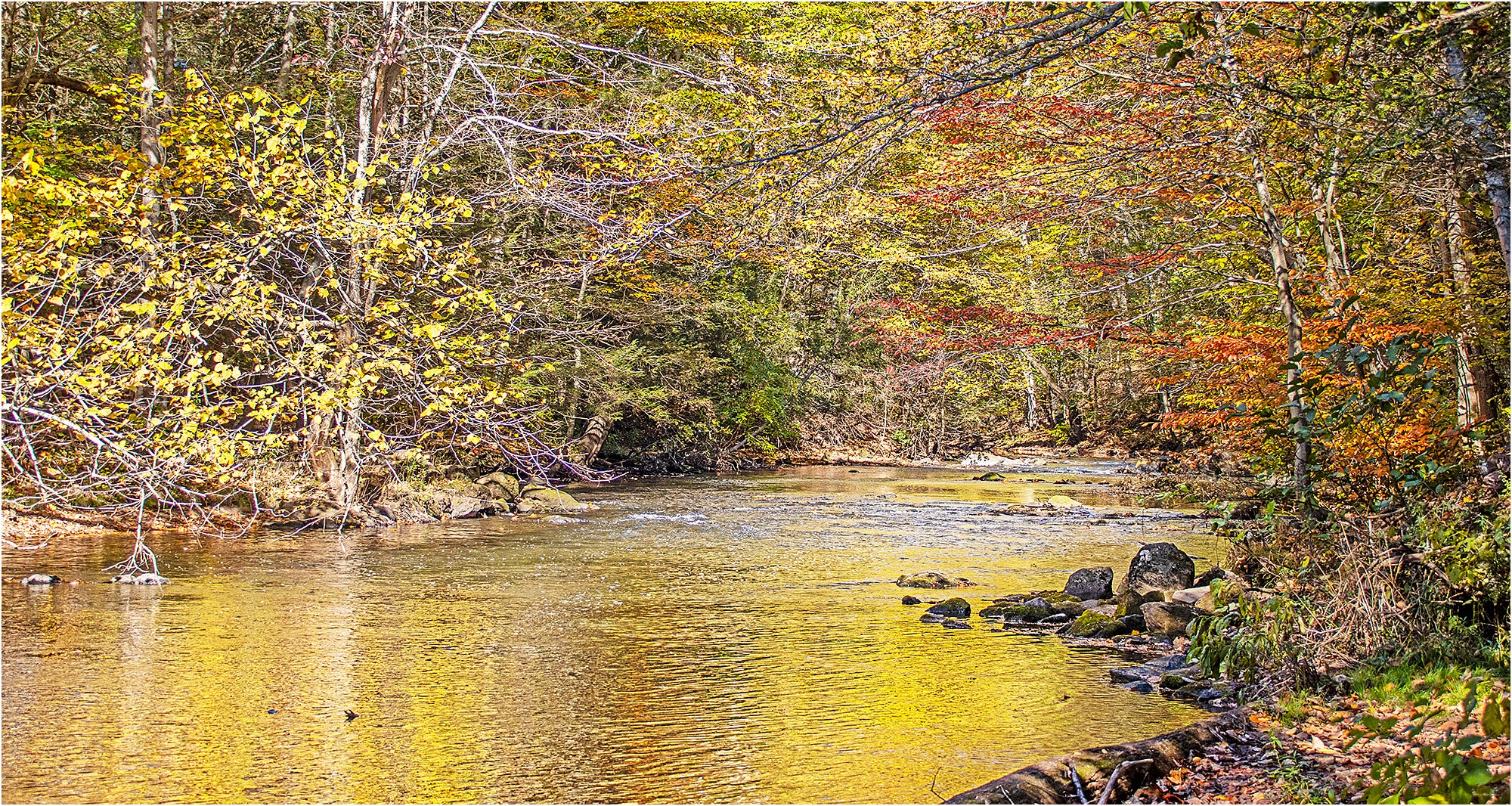
Male bobcats require substantial territory, typically ranging from 5 to 36 square miles in rural areas, though urban bobcats manage with compressed ranges of just 1 to 2 square miles where prey is abundant. Young males must disperse from their birthplace to establish their own territories; research documents dispersal distances averaging 36 miles and sometimes exceeding 125 miles. Stream corridors, greenways, and connected habitat patches make these essential journeys possible.
Isolation leads to dangerous genetic decline
When bobcat populations become trapped in fragmented habitats without connectivity to neighboring groups, the genetic consequences accumulate rapidly. A study by Penn State researchers tracking bobcats on Cumberland Island, Georgia, documented a 15 percent loss in genetic diversity over just 30 years in an isolated population. The effective breeding population had declined to only five to eight individuals, and population viability models predicted a median time to extinction of 65 years without intervention.
In contrast, a similar island population in South Carolina maintained higher genetic diversity because a vehicle bridge allowed approximately one mainland bobcat to immigrate every five years. This minimal connectivity proved sufficient to counteract inbreeding. Research by UCLA scientists in Southern California demonstrated that even busy freeways create genetic barriers, with populations separated by less than a mile across highways showing significant genetic differentiation.
Genetic crises from isolation among top predators
P-22, California’s most famous mountain lion, lived trapped in Los Angeles’s Griffith Park from 2012 until his death in December 2022. His 9-square-mile territory was roughly 31 times smaller than a normal male’s range of 150 square miles. ABC7 Hemmed in by freeways and urban sprawl, P-22 never found a mate and never reproduced.
P-22’s isolation reflected a broader crisis. The Santa Monica Mountains mountain lion population now has the second-lowest genetic diversity ever documented among North American large carnivores. National Parks Traveler Researchers found 93% abnormal sperm rates, kinked tails, and undescended testicles—classic signs of inbreeding depression. UCLA Without intervention, scientists estimate a 99.7% extinction probability within 50 years. U.S. National Park Service
Florida Panthers faced an even more dire situation. By the 1970s, only about 20 individuals remained, isolated in South Florida. Inbreeding caused kinked tails in 88% of panthers, heart defects in 21%, and undescended testicles in over 60% of males. In 1995, wildlife managers introduced eight female Texas cougars to restore genetic diversity. The program succeeded dramatically: harmful traits plummeted, kitten survival tripled, and the population grew to approximately 200 today—though ongoing isolation means future genetic intervention may still be needed.
Conservation corridors offer a path forward
Land trusts and conservation organizations have responded by prioritizing habitat connectivity. The Nature Conservancy’s “Bobcat Alley” initiative in New Jersey has expanded from 32,000 to 96,000 acres, creating protected pathways connecting Appalachian forests to the Hudson River Valley. Such efforts recognize that bobcats serve as umbrella species whose habitat requirements overlap with those of numerous other wildlife species.
The message from researchers is clear: preserving stream buffers, greenways, and wild habitat patches is not a luxury but a necessity for maintaining genetically healthy bobcat populations. As Dr. Viorel Popescu of Ohio University observed, interconnected regions containing appropriate habitat will be critical to the long-term viability of animal populations navigating urban landscapes.
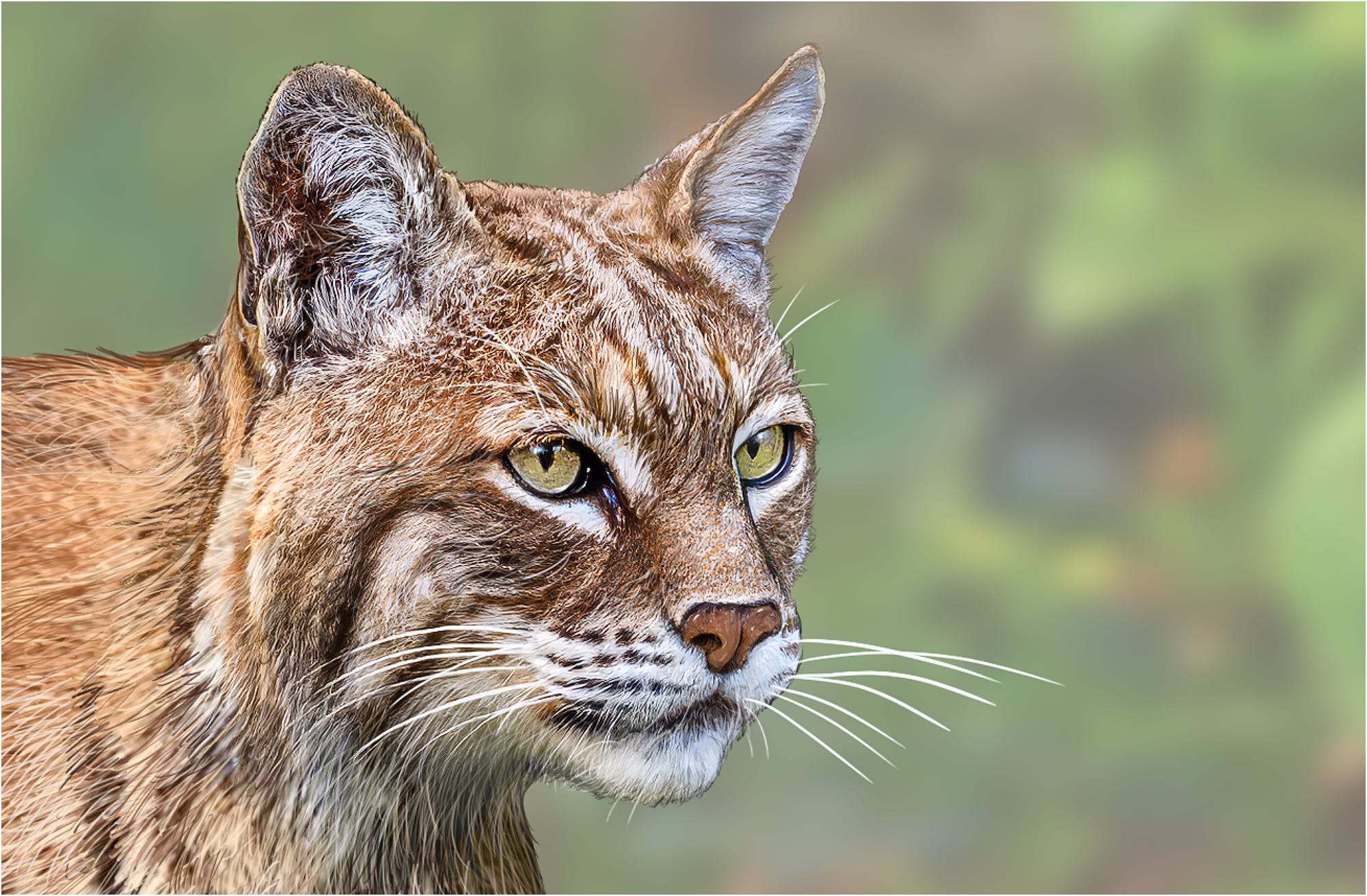
My field guides:

References
Connecticut Department of Energy and Environmental Protection. Bobcat Research Program (2017-2020). https://www.greenwichtime.com/news/article/bobcat-sighting-middletown-ct-21294791.php
Diefenbach, D. et al. (2015). “Population and genetic outcomes 20 years after reintroducing bobcats to Cumberland Island, Georgia, USA.” Ecology and Evolution 5(21):4885-4895. https://pmc.ncbi.nlm.nih.gov/articles/PMC4662311/
Florida Fish and Wildlife Conservation Commission - Panther Genetics: https://myfwc.com/wildlifehabitats/wildlife/panther/genetics/
National Park Service - P-22 Profile: https://www.nps.gov/articles/000/puma-profiles-p-22.htm
The Nature Conservancy. “Building Bobcat Alley.” https://www.nature.org/en-us/about-us/where-we-work/united-states/new-jersey/stories-in-new-jersey/building-bobcat-alley/
Ohio Department of Natural Resources. Ohio Bobcat Management Plan (September 2023). https://dam.assets.ohio.gov/image/upload/ohiodnr.gov/documents/wildlife/wildlife-management/OHBobcatPlan2023.pdf
PNAS Study on Florida Panther Genetic Rescue: https://www.pnas.org/doi/10.1073/pnas.2410945122
Popescu, V.D. et al. (2021). “Habitat connectivity and resource selection in an expanding bobcat (Lynx rufus) population.” PeerJ 9:e12460. https://peerj.com/articles/12460/
Serieys, L.E.K. et al. (2014). “Disease and freeways drive genetic change in urban bobcat populations.” Evolutionary Applications 8(1):75-92. https://pmc.ncbi.nlm.nih.gov/articles/PMC4310583/
U.S. Fish and Wildlife Service - Florida Panther: https://www.fws.gov/story/2022-04/florida-panther
UCLA Newsroom - Mountain Lion Inbreeding Study: https://newsroom.ucla.edu/releases/local-mountain-lions-show-effects-of-inbreeding